Agriculture between tradition and innovation
Organic farming
The keys to a successful organic transition
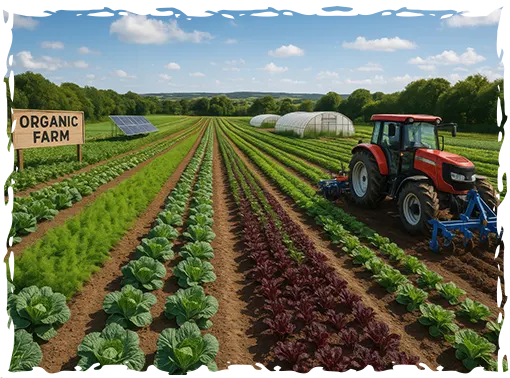
Converting to organic farming requires careful planning, a long-term commitment, and compliance with certification standards. The organic conversion process generally lasts two to three years, during which farmers must adapt their agricultural practices to meet organic production standards.
This involves adapting cultivation methods, selecting suitable organic seeds, training farm staff, and investing in appropriate equipment or infrastructure. Organic certification bodies and agricultural support programs can guide farmers through the transition and help them meet the required standards.
Cereal Crops
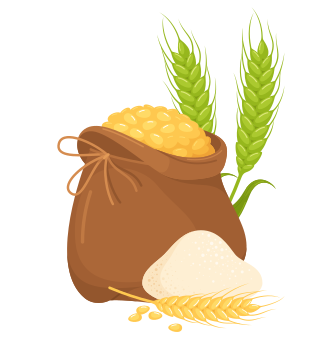
Cereal cultivation includes wheat, corn, barley, and rice. These cereal crops play a central role in human nutrition and animal feed production, while also supplying raw materials for industrial applications such as starch manufacturing and bioethanol production.
Market gardening
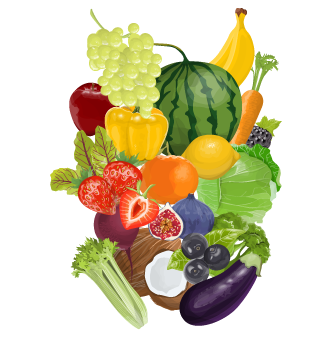
Market gardening involves growing fruits and vegetables in open fields or greenhouses, including tomatoes, carrots, lettuce, and zucchini. Successful vegetable production requires careful management of irrigation, soil fertilization, and crop rotation to maintain soil fertility and support healthy plant growth.
Industrial crops
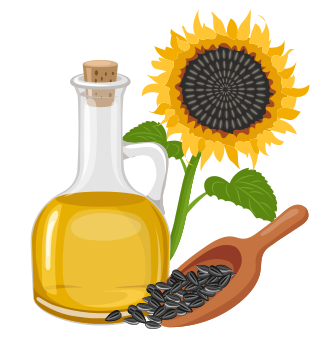
Industrial crop production focuses on plants grown for processing, including sugar beet, rapeseed, sunflower, and cotton. Often cultivated on a large scale, these crops supply agricultural raw materials to the food-processing, textile, and energy industries.

Livestock farming
An overview of livestock production systems
Cattle Farming
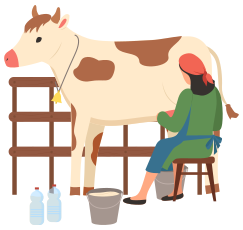
Cattle farming involves raising cows for dairy production or beef production. This widespread agricultural activity includes intensive and extensive farming systems, with production methods varying according to regional conditions and available resources.
Sheep farming
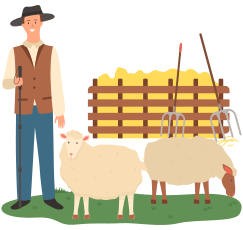
Sheep farming focuses on raising sheep primarily for lamb meat production and wool, although some breeds are also raised for milk. Pasture-based sheep farming is particularly common in mountainous and grazing areas, where animals can feed on available vegetation.
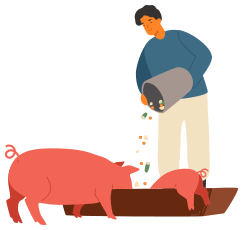
Pig farming
Pig farming primarily supplies meat for human consumption. Often organized around intensive production systems, it requires careful attention to pig feeding practices, livestock animal welfare, and hygiene to support healthy growth and maintain meat quality.
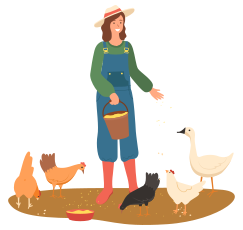
Poultry farming
Poultry farming includes raising hens, chickens, ducks, and turkeys for egg production or meat. Production methods range from intensive housing to free-range poultry systems and organic poultry farming, each involving different management and husbandry practices.

Modern agriculture
Agricultural machinery that makes fieldwork easier
Modern agricultural machinery has transformed field operations by reducing the time, physical effort, and labor needed for essential farming tasks. Tractors, seeders, harvesters, and agricultural irrigation systems enable farmers to work across large areas more efficiently. These technologies support precision field operations, improving farm productivity and crop yields.
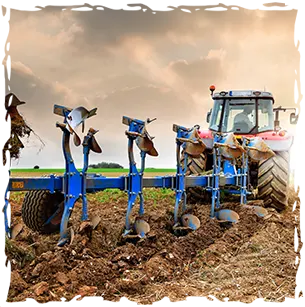
Plow
A plow is a soil tillage implement used to turn and loosen the ground before sowing. Plowing agricultural soil can incorporate crop residues and prepare the field for subsequent planting operations.
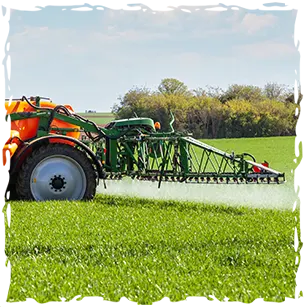
Sprayer
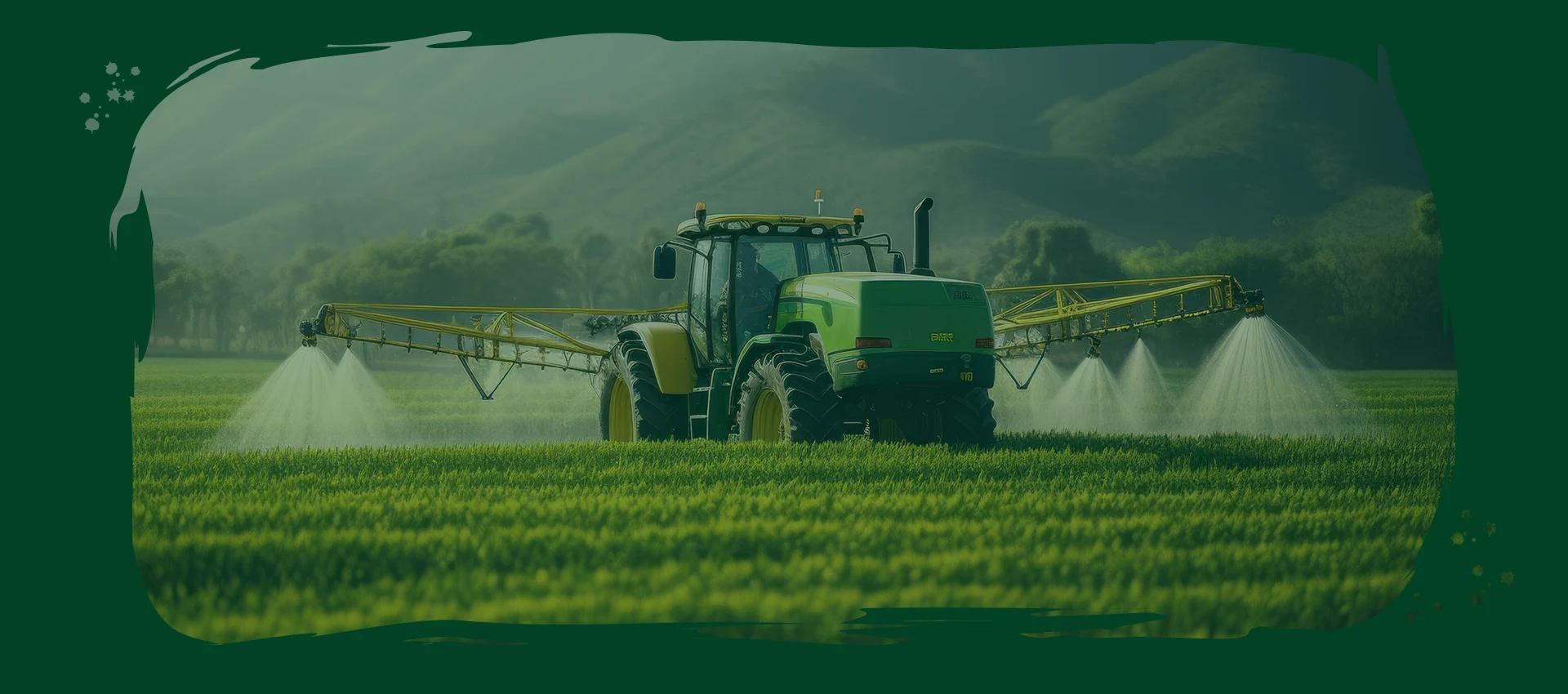
An agricultural sprayer applies crop protection products, such as herbicides, as well as foliar fertilizers directly to plants. Proper crop spraying techniques help distribute treatments consistently and support effective crop management.
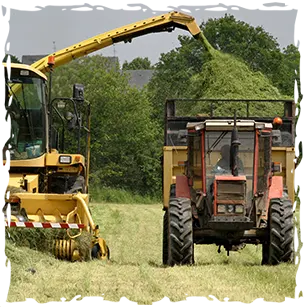
Forage harvester
A forage harvester cuts and chops forage crops, including corn and grass, for preservation as silage. This forage harvesting equipment helps farmers prepare nutritious livestock feed for storage and later use.

Precision agriculture
Towards more efficientresource and crop management
Precision farming technologies collect and analyze field data on soil conditions, crop development, and local climate. This information supports data-driven crop management, allowing farmers to adjust water, fertilizer, and pesticide applications according to field requirements. Combined with agroecological soil management, these practices can reduce unnecessary inputs and environmental pressures. The result is more efficient agricultural resource management that supports crop performance while helping preserve natural resources.